
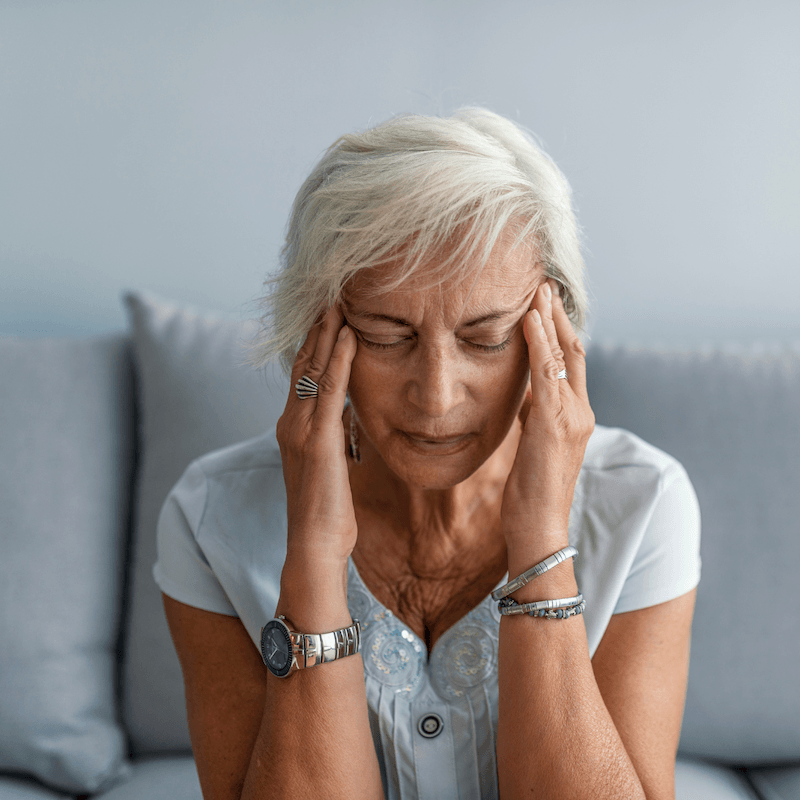
Classic head pain is not present in every migraine variant; specifically, a vestibular migraine disrupts vestibular balance, motion tolerance, and spatial navigation. Our otolaryngology practice evaluates ongoing dizziness episodes to differentiate vestibular migraine from other balance disorders. Securing effective migraine treatment requires identifying your specific symptom profile and discussing those details thoroughly with your physician.
Vestibular vs. Classical Migraine: Key Differences
Vestibular migraine and regular migraine share identical disease mechanisms, but their most prominent physical symptoms vary significantly. Regular migraine attacks typically revolve around unilateral, throbbing head pain of moderate to severe intensity that increases with everyday motion. Associated features like nausea, pronounced light and sound sensitivity, and visual aura commonly accompany standard head pain.
A vestibular migraine primarily manifests as true vertigo, disequilibrium, balance dysfunction, and severe motion sensitivity. Concomitant headache may happen, but cephalalgia is not universally present across all vestibular flare-ups. Attacks may involve a false sense that the person or room is moving, dizziness triggered by head motion, or discomfort in visually busy environments.
Qualifying vestibular episodes generally last from five minutes to 72 hours. Because attack characteristics can change over time, recognizing a migraine etiology is often harder than diagnosing recurring headaches.
Understanding the Biological Mechanisms of Vestibular Migraine
There is no single medical pathology identified as the isolated cause of vestibular migraine. The condition appears to involve overlapping brain pathways that process migraine pain and vestibular information from the balance system. Genetic predisposition to migraines combined with a documented history of motion sensitivity markedly heightens susceptibility.
Clinical episodes are frequently provoked by:
- Irregular or insufficient sleep
- Skipping scheduled meals or experiencing acute dehydration
- Psychological tension or the sudden drop in stress levels following high-pressure events
- Menstrual cycle fluctuations or other physiological endocrine changes
- Visually complex settings, flickering light sources, and intense illumination
- Strenuous physical motion, extended travel, and rapid visual screen scrolling
- Ingestion of alcoholic beverages, artificial sweeteners, or patient-specific dietary triggers
- Weather changes or sensory overload
Symptomatic Comparison Between Vestibular and Standard Migraines
Classical migraine attacks are readily identified by head pain, but neurological symptoms often extend well beyond local cephalalgia. Clinical presentations frequently feature nausea, vomiting, visual aura, physical exhaustion, mental clouding, neck pain, and sensory hypersensitivity.
Documented manifestations of vestibular migraine include:
- Objective rotational vertigo or subjective non-spinning vertigo
- Chronic postural instability, dysequilibrium, or sudden loss of balance
- Dizziness triggered or aggravated by rapid head turns or tilting
- Acute nausea triggered by passive or active bodily motion
- Sensory intolerance triggered by scrolling monitors, bustling public crowds, oncoming traffic, or geometric lines
- Illusory sensations of bobbing, swaying, boat-like rocking, floating, or directional pulling
- Acute sensitivity to daylight, artificial lighting, loud acoustic sounds, and complex visual environments
- Dull cranial pressure, tight band-like sensations, or pulsating migraine headache
- Transient sensation of plugged ears, fluctuating aural pressure, or subjective tinnitus
Identifying the specific temporal pattern, duration, and triggers helps clinicians distinguish vestibular migraine from other balance conditions. Newly developing dizziness linked to facial numbness, extremity weakness, speech impairment, double vision, syncope, or an inability to walk demands immediate emergency attention.
Experiencing Vestibular Symptoms and Migraine Headaches Simultaneously
Yes, clinical overlap is common. Vertigo and classical migraine headaches frequently coincide during the same physiological episode. Dizziness might manifest as a premonitory symptom before head pain, peak while the headache is active, endure following pain resolution, or strike alone. Many individuals alternate between headache-dominant and balance-dominant presentations over months or decades.
An acute vestibular event can be fully driven by migraine mechanisms even in the complete absence of head pain. Maintaining a dedicated symptom journal helps track chronological correlations that are easily overlooked during clinical consultations. Be sure to log the onset and duration of dizziness, headache severity, sensory changes, menses, sleep quality, dietary intake, identified triggers, medications taken, and treatment responses. This information can make an evaluation more precise.
How Physicians Evaluate and Confirm Vestibular Migraine
Diagnosing vestibular migraine cannot be accomplished via a single diagnostic blood test, radiologic scan, or balance assessment. Diagnostic evaluation initiates with a structured examination of symptom chronology and a confirmed history of migraine with or without aura. Consensus clinical guidelines specify at least five moderate to severe vestibular episodes spanning five minutes to 72 hours, accompanied by migraine characteristics in at least half of the events.
Our team carries out comprehensive neurological evaluations, ocular motor exams, ear assessments, diagnostic hearing tests, and vestibular function studies. Tailored to your specific profile, diagnostics might feature a pure-tone audiogram, canal positional tests, computerized vestibular batteries, or cranial MRI scans. Such objective tests are crucial to differentiate vestibular migraine from other balance disorders presenting with similar symptoms. We confirm a vestibular migraine diagnosis strictly when clinical criteria align and alternative vestibular pathologies are ruled out.
How Are Vestibular Migraines Managed and Treated?
Treatment is individualized according to attack frequency, severity, associated headache, other health conditions, and medication risks. Most individuals find the greatest relief through an integrated regimen combining daily preventive protocols with an acute rescue plan.
Our clinical team formulates a personalized care program that can include:
- Establishing structured daily routines for sleep, timely meals, fluid intake, and low-impact cardiovascular exercise
- Identification and reduction of consistent personal triggers
- Utilizing structured stress-mitigation techniques, mindfulness programs, or behavioral therapies
- Administering prescription antiemetics or targeted acute symptom medications
- Measured, temporary use of vestibular suppressant pharmaceuticals during severe vertigo crises
- Preventive pharmacological agents like beta-blockers, calcium channel blockers, topiramate, targeted antidepressants, or modern migraine therapies
- Targeted vestibular physical therapy to retrain the central balance system and reduce chronic motion sensitivity
These medications are reserved for acute use only, as chronic ingestion triggers drowsiness and suppresses natural vestibular compensation within the brain. You should always finalize medication decisions with your prescribing clinician instead of adopting treatment plans prescribed to others. Patient recovery regularly requires incremental dosage adjustments and ongoing monitoring of treatment response over several months.
Book Your Vestibular Migraine Consultation
Should frequent vertigo episodes, persistent unsteadiness, or motion intolerance interfere with your life, book an appointment with our specialists. The initial visit features an in-depth review of migraine history, health factors, and therapeutic aims, paired with diagnostic exams to rule out BPPV, Ménière’s disease, and competing vestibular conditions. Call or message our office today to schedule your comprehensive vestibular migraine consultation.